
01
Start with your coffee.
List your drinks, daily volume and busiest hours to understand what your equipment needs to do.
COFFEE IN DIFFERENT SPACES
Choose a space to explore equipment and installation needs.
FROM AN IDEA TO YOUR COUNTER
List your drinks, daily volume and busiest hours to understand what your equipment needs to do.
Measure your counter and check power, water and drainage. Leave room to work and clean.
Share your requirements and purchasing plans. We can discuss models and configurations around them.
FIND YOUR MACHINE
Explore our featured range around your daily demand and workflow.
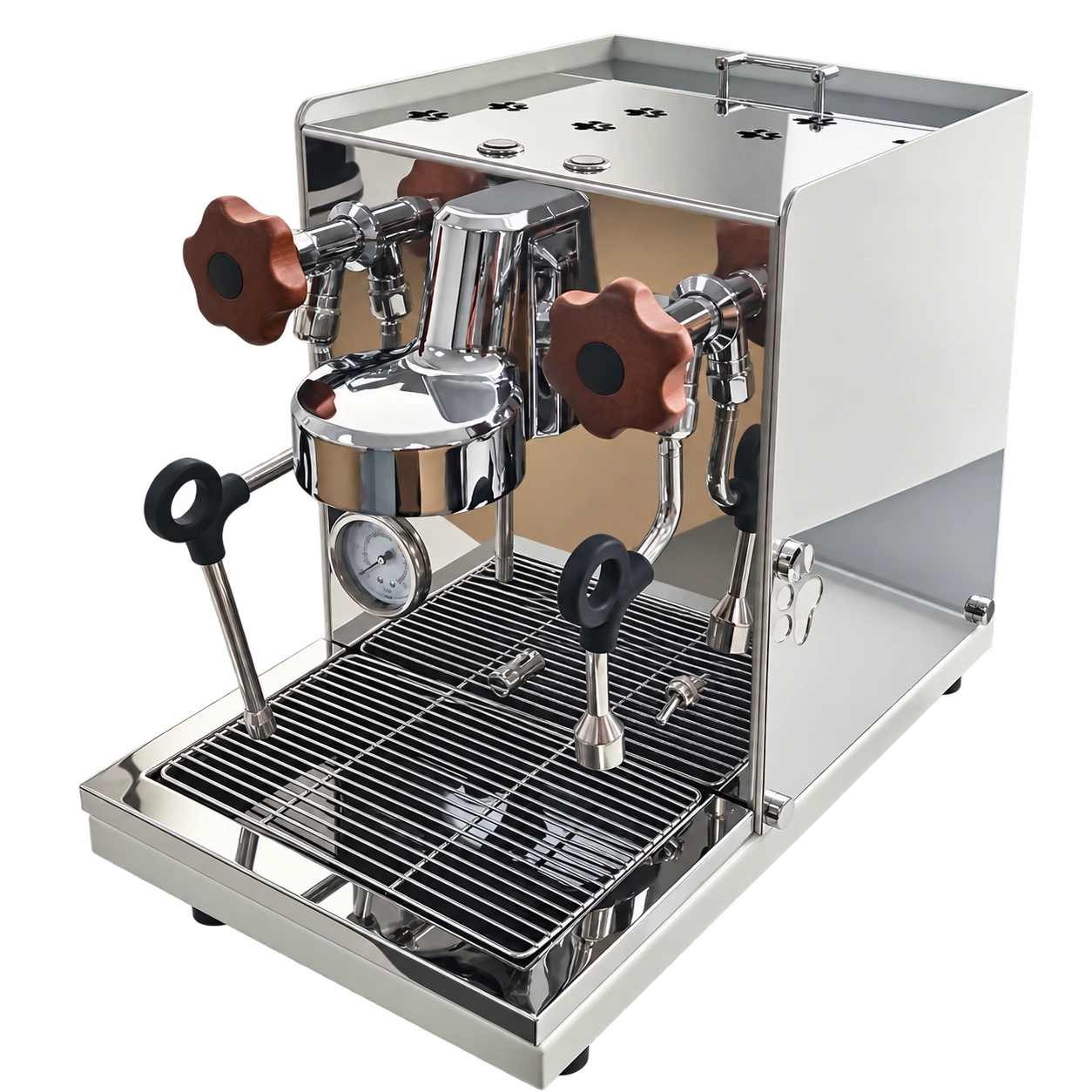
LIGHT COMMERCIAL · FEATURED
Also explore our light-commercial range around counter dimensions, water supply and daily demand.
Explore 510M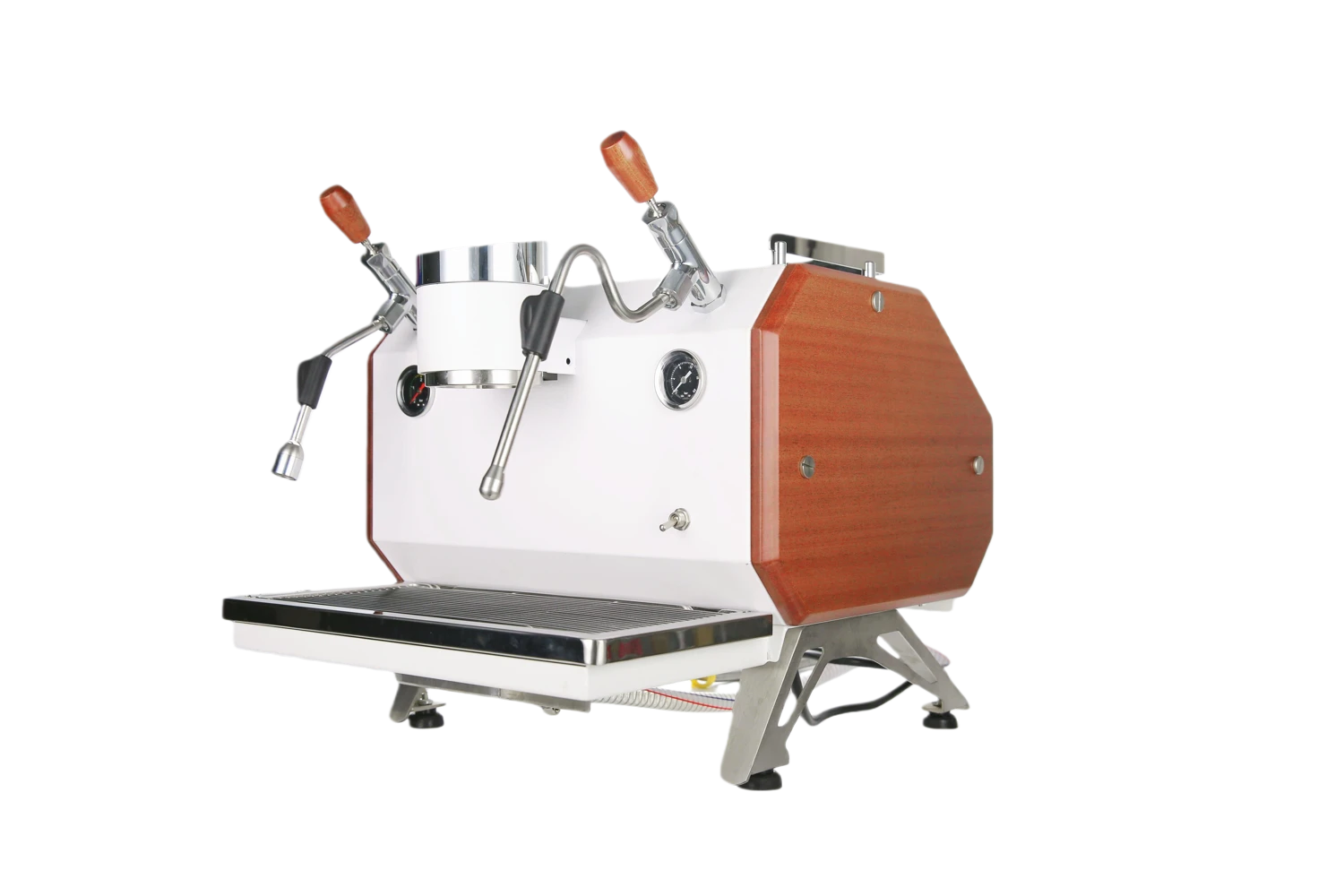 300+cups / day
SINGLE GROUP · COMMERCIAL
A starting point for businesses planning for 300+ cups a day.
Explore 830-5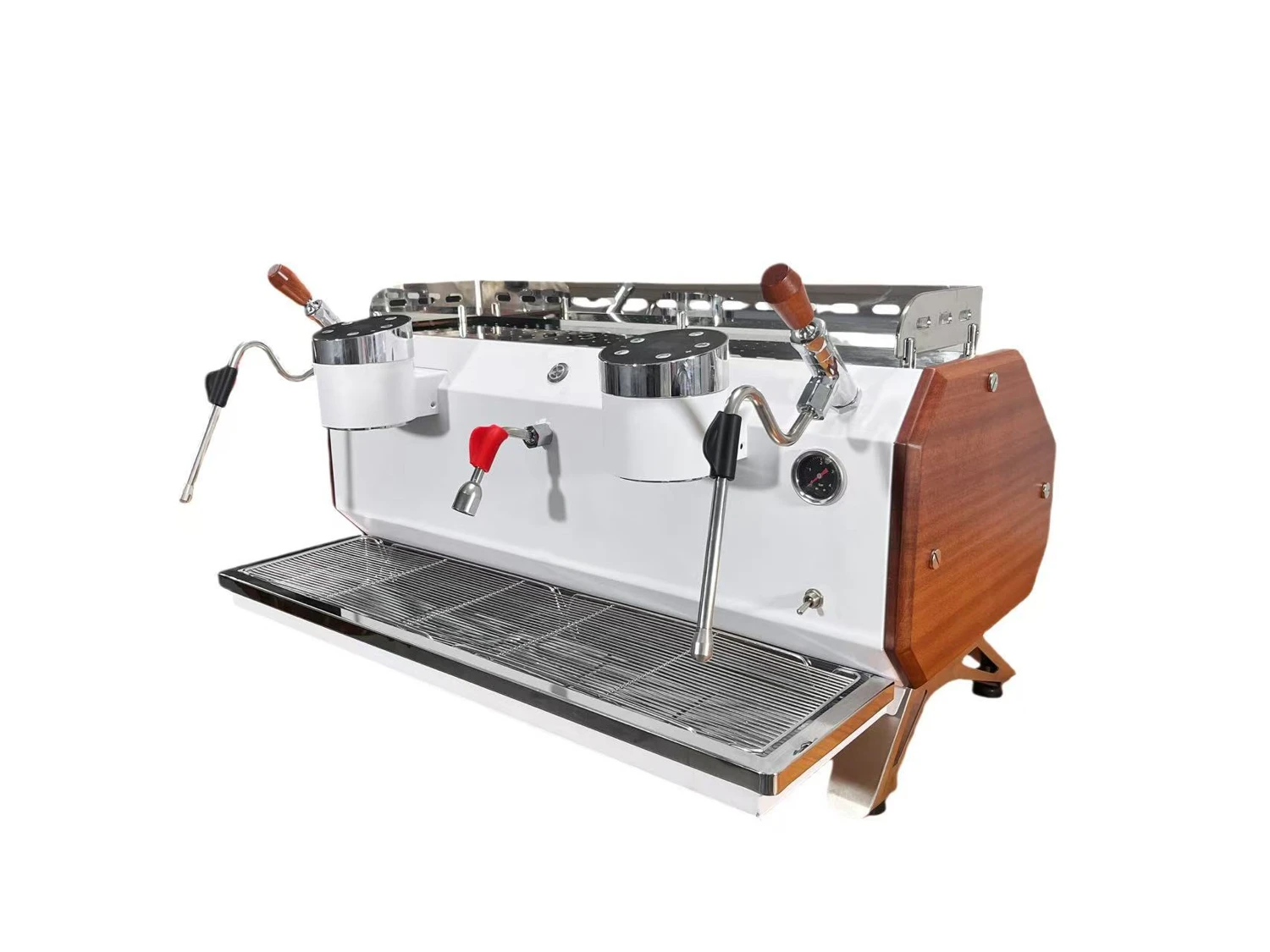 600–800cups / day
DOUBLE GROUP · COMMERCIAL
Two group heads to support a coordinated workflow and higher daily demand.
Explore 835-5LET’S TALK COFFEE
Have a machine in mind, or a new coffee project? Share your requirements to discuss equipment and purchasing options.
For equipment selection, prepare your daily volume, menu, counter dimensions and local power supply.
Choose for peak demand, milk drinks and staffing, then check space, power, water and drainage. Two groups allow parallel brewing; capacity also depends on the grinder and workflow.
Yes, for whole beans if the machine has no built-in grinder. Use an espresso-capable grinder and grind just before brewing. Pre-ground coffee compatibility depends on the basket and model.
Wait until the machine is ready and the group and portafilter are warm. Warm-up time varies by model; follow its manual.
Use drinking water that meets the model’s specifications and treat hard water appropriately. Check compatibility before using distilled or unremineralised reverse-osmosis water.
Keep dose and yield consistent. Try a finer grind for fast flow or a coarser grind for slow flow, changing one variable at a time. Beans and brew ratio also affect sourness and bitterness.
Check steam readiness, water supply and tip blockage. Use cold milk and adjust the tip position. Wipe and purge as directed after use; contact service if steam stays weak.
Cleaning removes oils and milk residue; descaling removes mineral deposits. Clean baskets, portafilters and the tray after use, and the wand after every milk drink. Follow the model’s descaling instructions; consult service for commercial boilers.