MULTI-BOILER CONTROLMulti-boilerADJUSTABLE BREW TEMP.Brew temp.ROAST & ORIGIN FLEXIBILITYSpecialty beans
Coffee Talks
Brewing guides2 min read

Dial in your espresso, one change at a time

Fast flow, slow flow or an unbalanced cup? Start with dose, yield and grind, and build a routine you can repeat.

By LYBETY Editorial

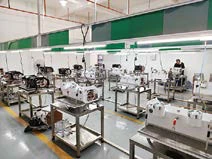
A frame from the LYBETY coffee-making film

Establish a starting point

Use the same beans, basket, coffee dose and target beverage yield while comparing shots. Dose is the weight of coffee in the basket; yield is the weight of espresso in the cup. A scale makes changes easier to follow than judging the liquid level alone. Use the roaster’s advice and your machine manual to choose a starting recipe. There is no single shot time that suits every coffee.

Look at the grind when flow changes

With dose and yield unchanged, try a finer grind if the espresso runs noticeably fast, or a coarser grind if it runs very slowly. Change one variable and compare another shot. Check again when changing beans: the same grinder setting does not guarantee the same result.

Keep puck preparation consistent

Start with a clean, dry basket, distribute the grounds evenly and tamp consistently. Record the beans, dose, yield, flow and taste. A repeatable preparation routine helps you understand what your grind adjustment actually changed.

Let taste guide the next adjustment

Sourness or bitterness alone does not establish a machine fault. The beans, roast and brew ratio also affect flavour. Compare both flow and taste, keep a recipe you enjoy, and adjust gradually. If the machine cannot supply water or brew normally, follow its manual and contact support.
Sources & further reading

LET’S TALK COFFEE

Tell us about
your coffee setup.

Have a machine in mind, or a new coffee project? Share your requirements to discuss equipment and purchasing options.

Models & configurationSpace & installationPurchase & quotation

For equipment selection, prepare your daily volume, menu, counter dimensions and local power supply.

Request product details & a quote

* Required fields

Your enquiry will be submitted through the store’s contact form.

FAQ

Which espresso machine suits my needs?

Choose for peak demand, milk drinks and staffing, then check space, power, water and drainage. Two groups allow parallel brewing; capacity also depends on the grinder and workflow.

Do I need a separate grinder?

Yes, for whole beans if the machine has no built-in grinder. Use an espresso-capable grinder and grind just before brewing. Pre-ground coffee compatibility depends on the basket and model.

How long should the machine warm up?

Wait until the machine is ready and the group and portafilter are warm. Warm-up time varies by model; follow its manual.

What water should I use?

Use drinking water that meets the model’s specifications and treat hard water appropriately. Check compatibility before using distilled or unremineralised reverse-osmosis water.

How do I adjust flow and flavour?

Keep dose and yield consistent. Try a finer grind for fast flow or a coarser grind for slow flow, changing one variable at a time. Beans and brew ratio also affect sourness and bitterness.

Why is the foam coarse or steam weak?

Check steam readiness, water supply and tip blockage. Use cold milk and adjust the tip position. Wipe and purge as directed after use; contact service if steam stays weak.

How often should I clean or descale?

Cleaning removes oils and milk residue; descaling removes mineral deposits. Clean baskets, portafilters and the tray after use, and the wand after every milk drink. Follow the model’s descaling instructions; consult service for commercial boilers.