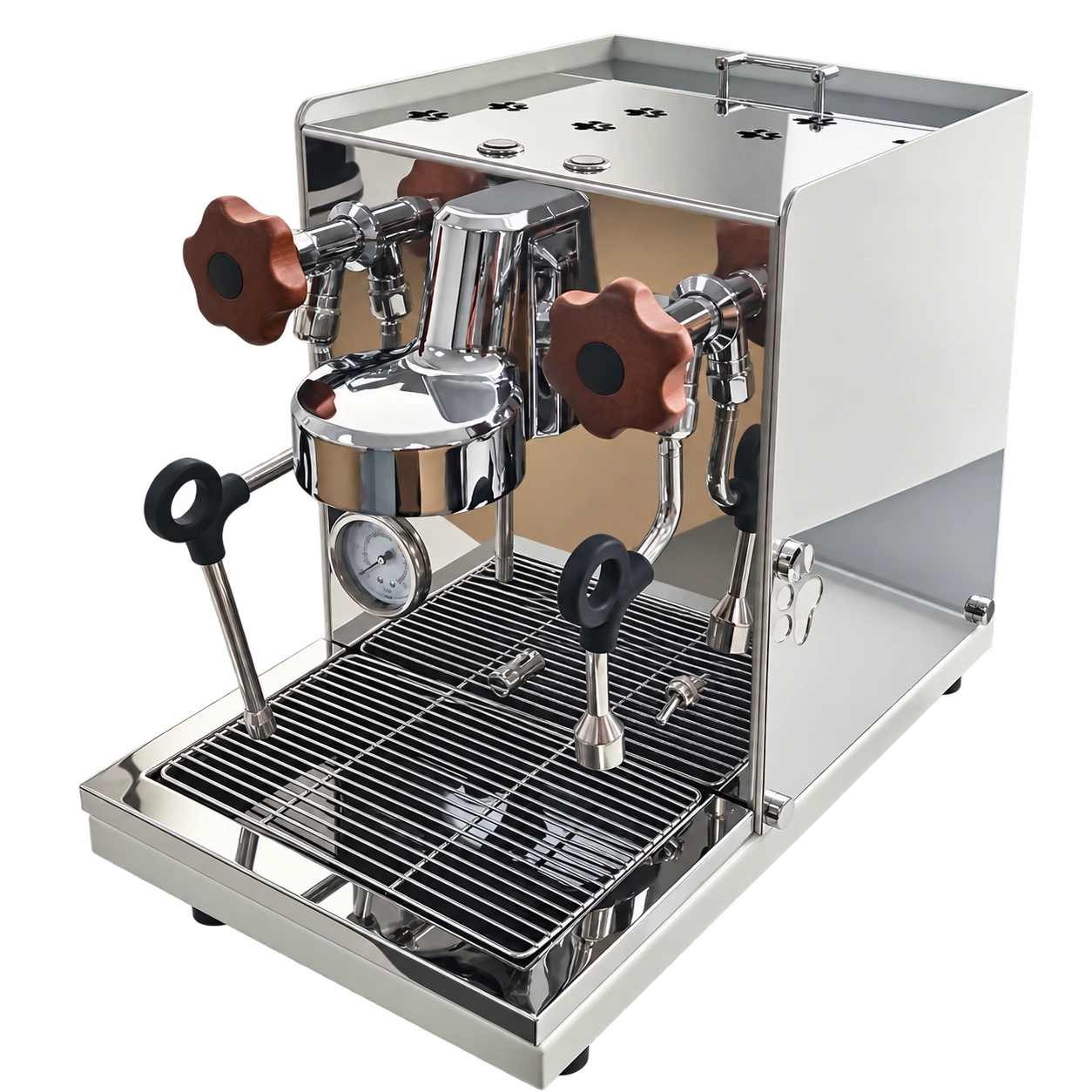
510M
Signature modelHome coffee stations & light-commercial counters
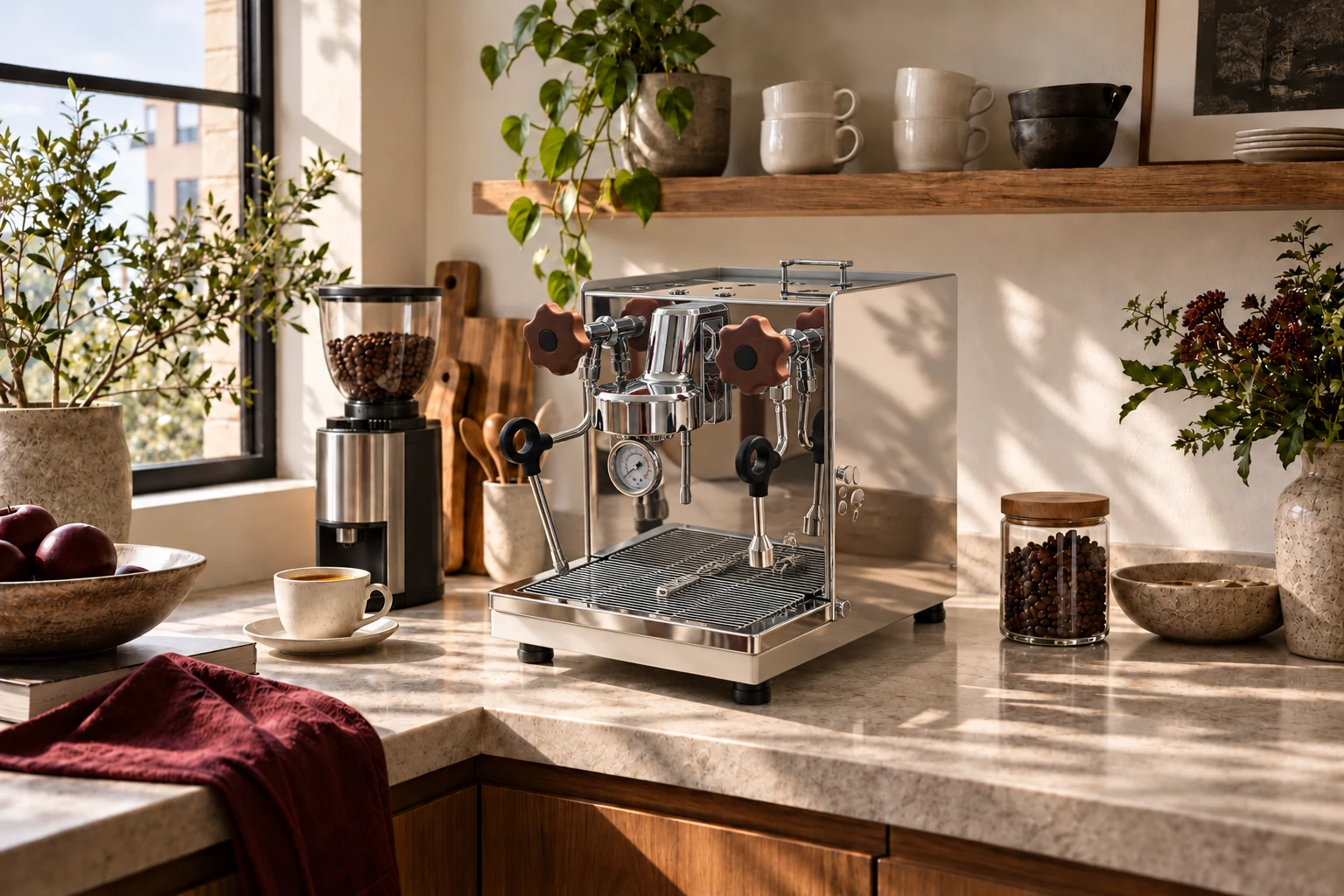
Light-commercial espresso machine
Refine your coffee recipe and choose a tank or connected water supply for your space.
1 L + 1 L boilers · Adjustable PID & pre-infusion
COFFEE IN MOTION/ FROM PREPARATION TO THE CUP
START WITH YOUR NEEDS
From a home coffee station to busy commercial service, choose for your menu, workflow and installation.
Home coffee stations & light-commercial counters
Light-commercial espresso machine
Refine your coffee recipe and choose a tank or connected water supply for your space.
1 L + 1 L boilers · Adjustable PID & pre-infusion
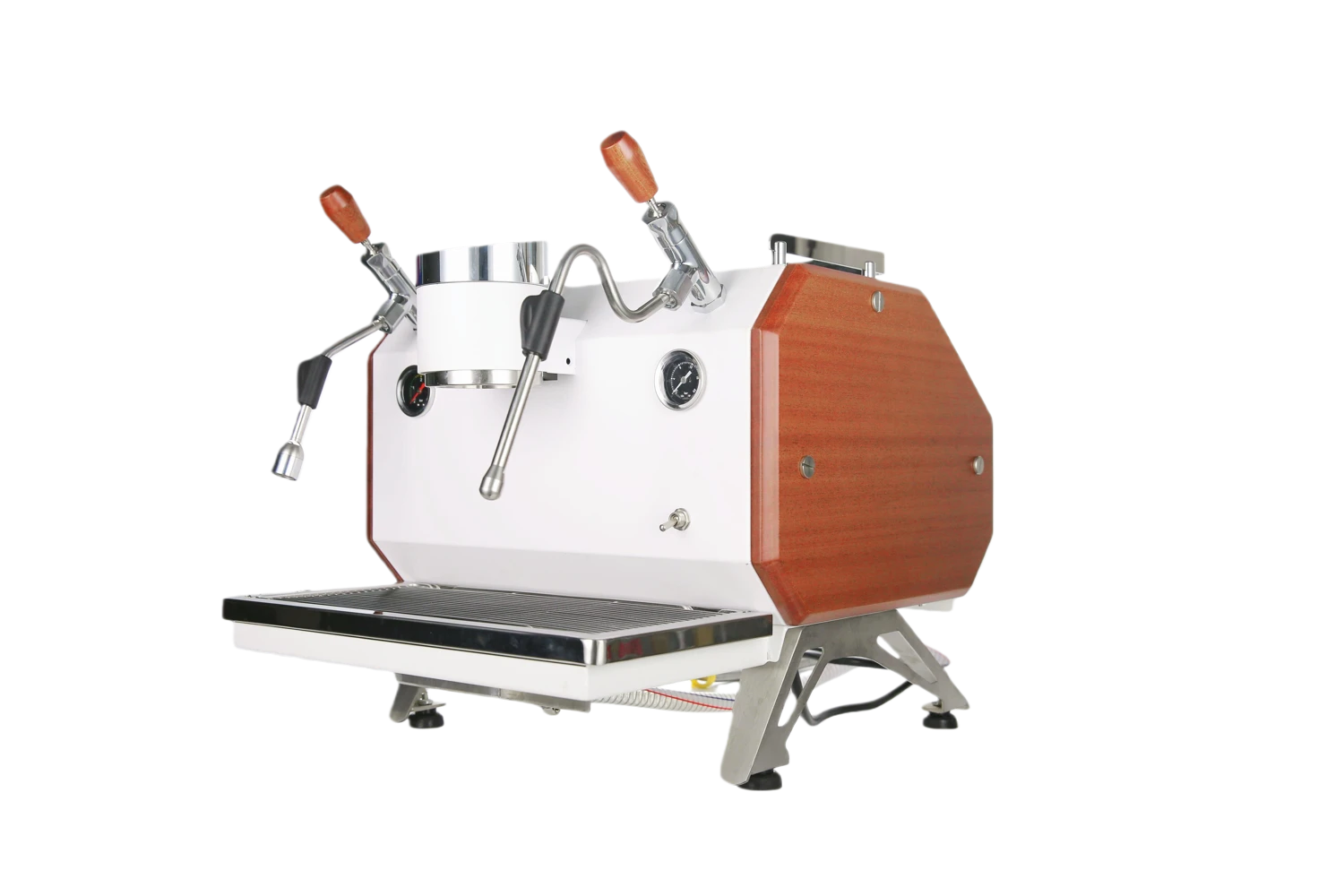
Planning a fixed commercial coffee counter
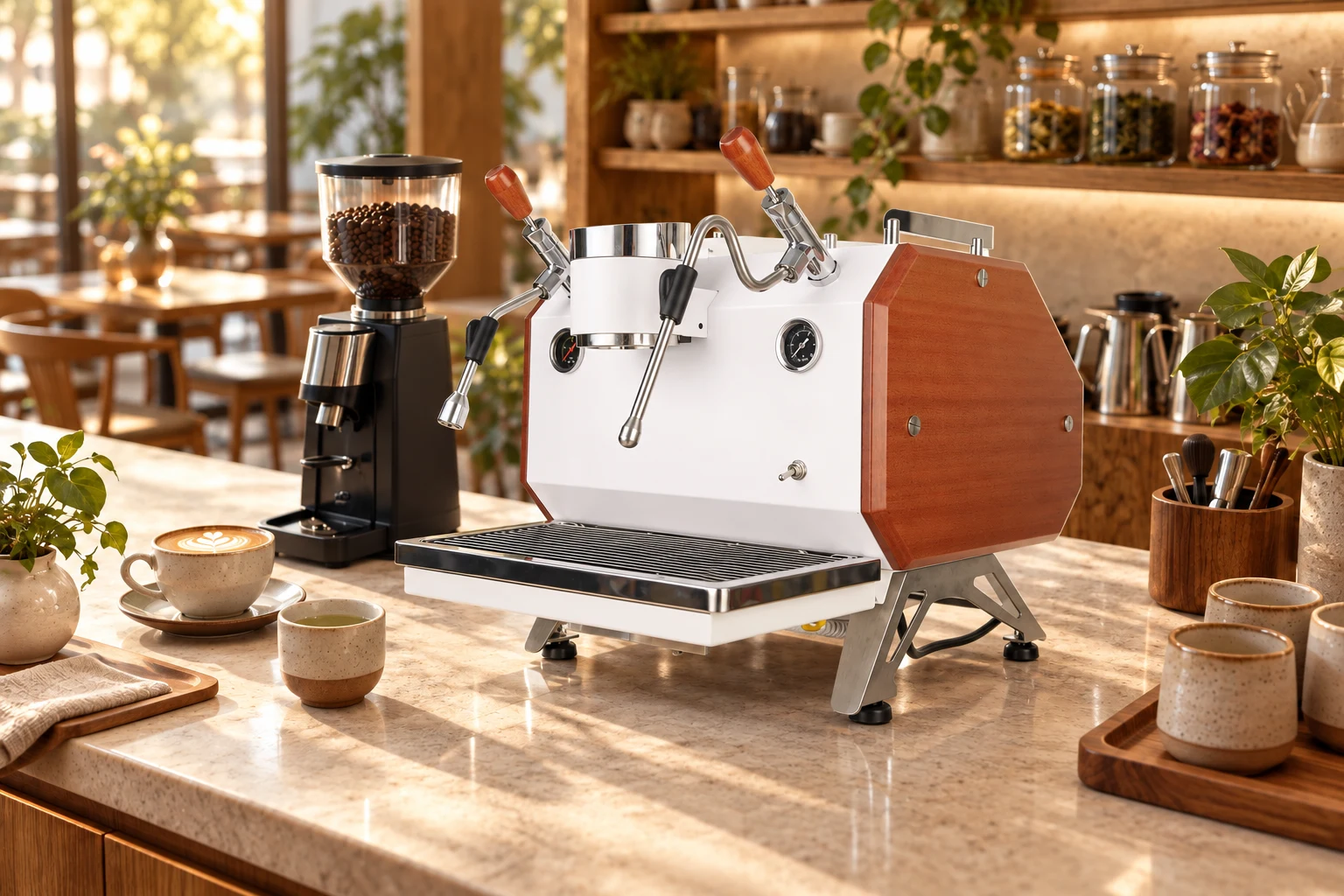
Single-group espresso machine
A single group with separate steam and brew boilers to plan service around your menu.
One group · 5 L steam + 1 L brew · Adjustable pre-infusion & shot volume
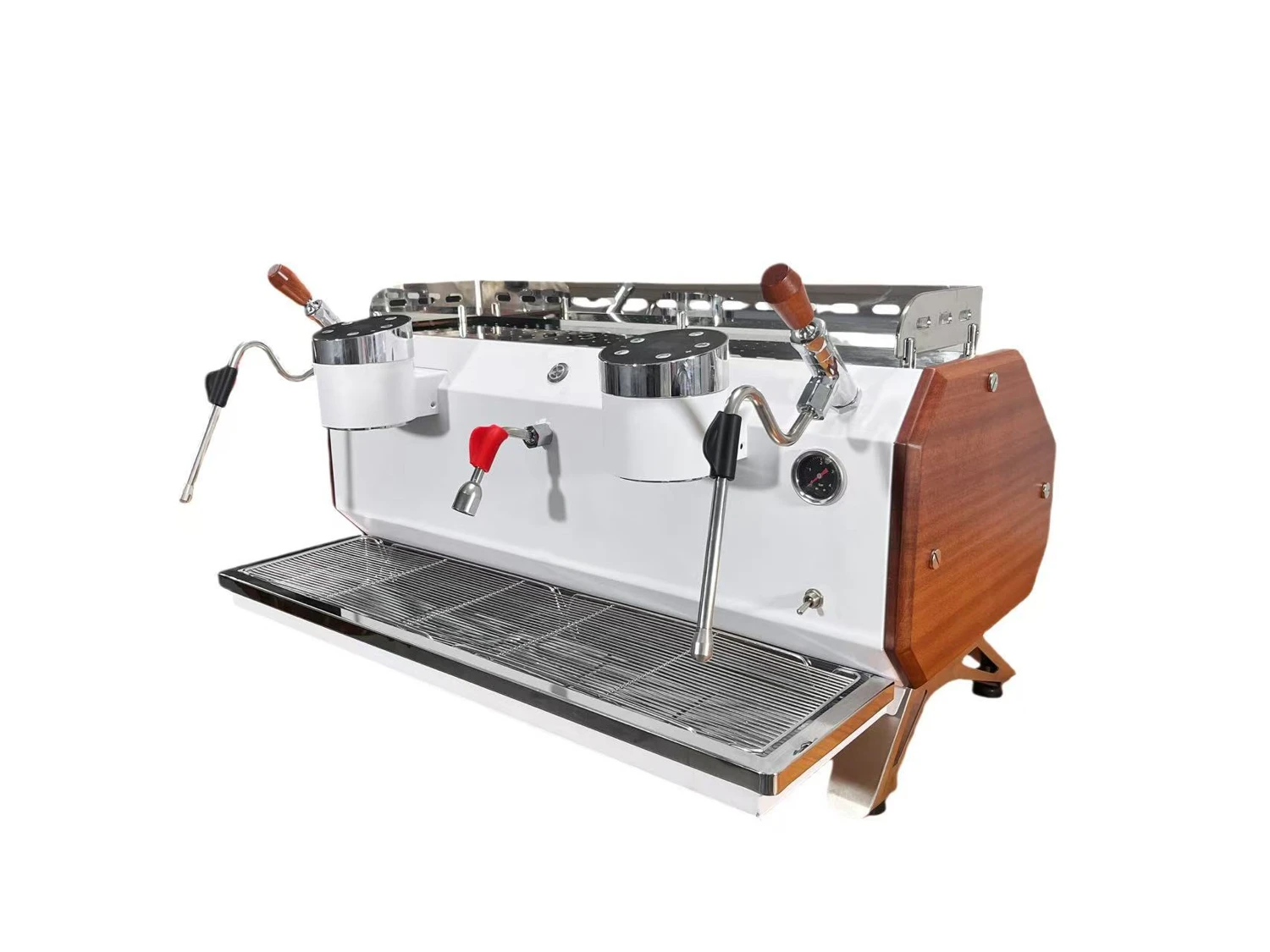
Teamwork & peak-hour service
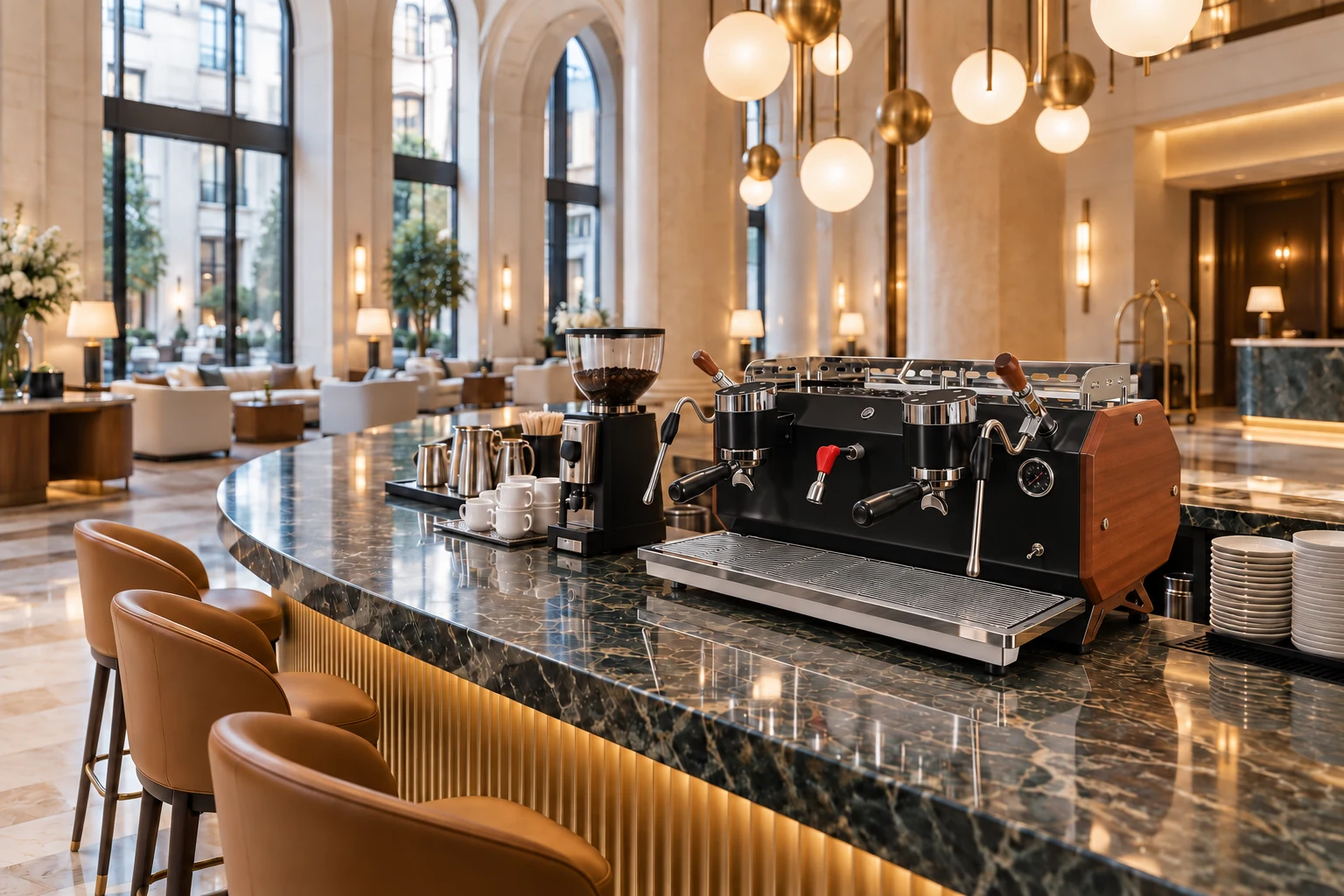
Two-group espresso machine
Two groups provide room for parallel brewing as you plan your peak-hour workflow.
Two groups, multiple boilers · Independent temperature control
Confirm your menu, peak demand and installation conditions before choosing; ask about daily volume for 510M.
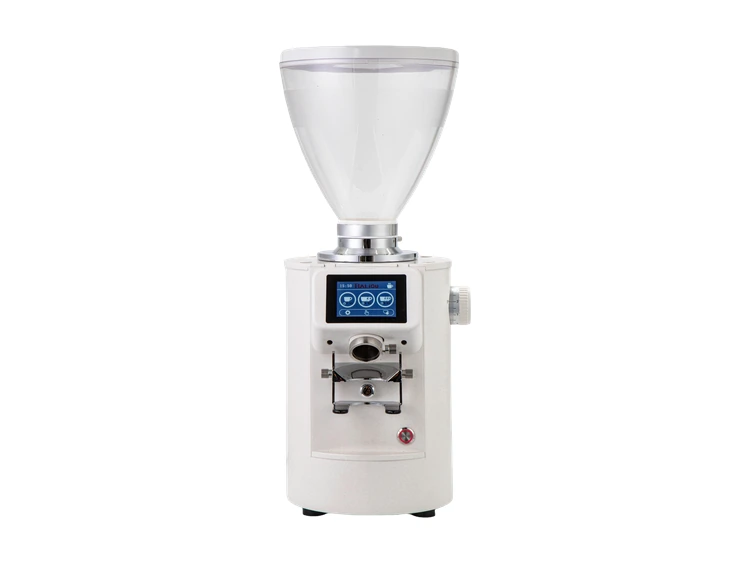
COMPLETE YOUR COFFEE SETUP
Grinders are tested through repeated grinding with real coffee beans to assess fineness and performance at different settings. Pair the grind with adjustable brewing temperature to refine your recipe.
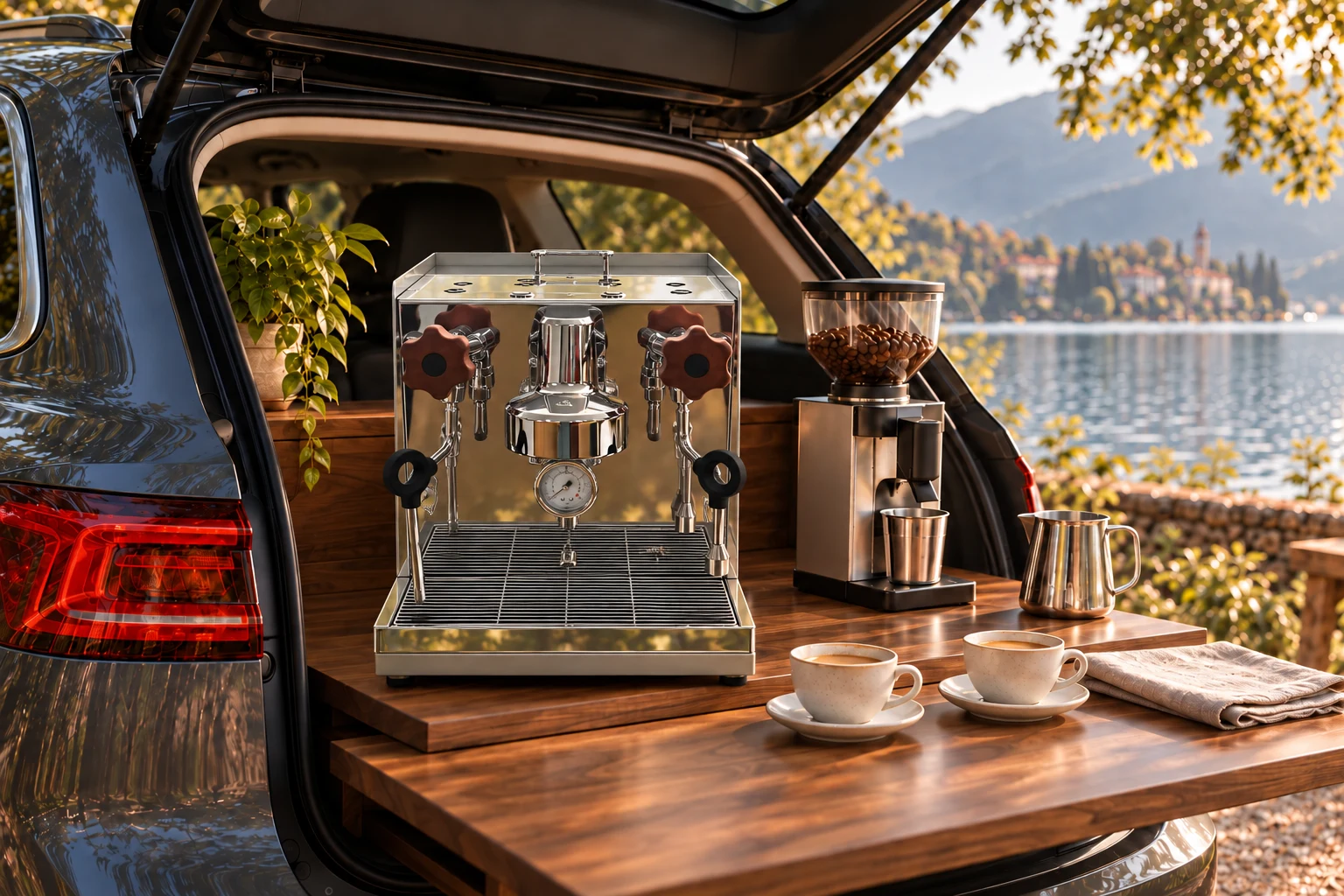
Explore coffee grindersCOFFEE, WHEREVER YOU ARE
READ, BREW, DISCOVER

From preparing the machine to grinding, tasting and cleaning, build a calm coffee routine you can repeat each morning.
Read the story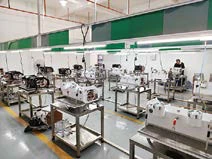
Coffee oils, milk residue and mineral deposits need different attention. Understand the difference before building your care routine.
Read the storyFast flow, slow flow or an unbalanced cup? Start with dose, yield and grind, and build a routine you can repeat.
Read the storyBRAND & MANUFACTURING
Review brand photography, workshop footage and product information. Explore LYBETY manufacturing and quality checks, then confirm the configuration and market requirements for your chosen model.
LET’S TALK COFFEE
Have a machine in mind, or a new coffee project? Share your requirements to discuss equipment and purchasing options.
For equipment selection, prepare your daily volume, menu, counter dimensions and local power supply.
Choose for peak demand, milk drinks and staffing, then check space, power, water and drainage. Two groups allow parallel brewing; capacity also depends on the grinder and workflow.
Yes, for whole beans if the machine has no built-in grinder. Use an espresso-capable grinder and grind just before brewing. Pre-ground coffee compatibility depends on the basket and model.
Wait until the machine is ready and the group and portafilter are warm. Warm-up time varies by model; follow its manual.
Use drinking water that meets the model’s specifications and treat hard water appropriately. Check compatibility before using distilled or unremineralised reverse-osmosis water.
Keep dose and yield consistent. Try a finer grind for fast flow or a coarser grind for slow flow, changing one variable at a time. Beans and brew ratio also affect sourness and bitterness.
Check steam readiness, water supply and tip blockage. Use cold milk and adjust the tip position. Wipe and purge as directed after use; contact service if steam stays weak.
Cleaning removes oils and milk residue; descaling removes mineral deposits. Clean baskets, portafilters and the tray after use, and the wand after every milk drink. Follow the model’s descaling instructions; consult service for commercial boilers.